
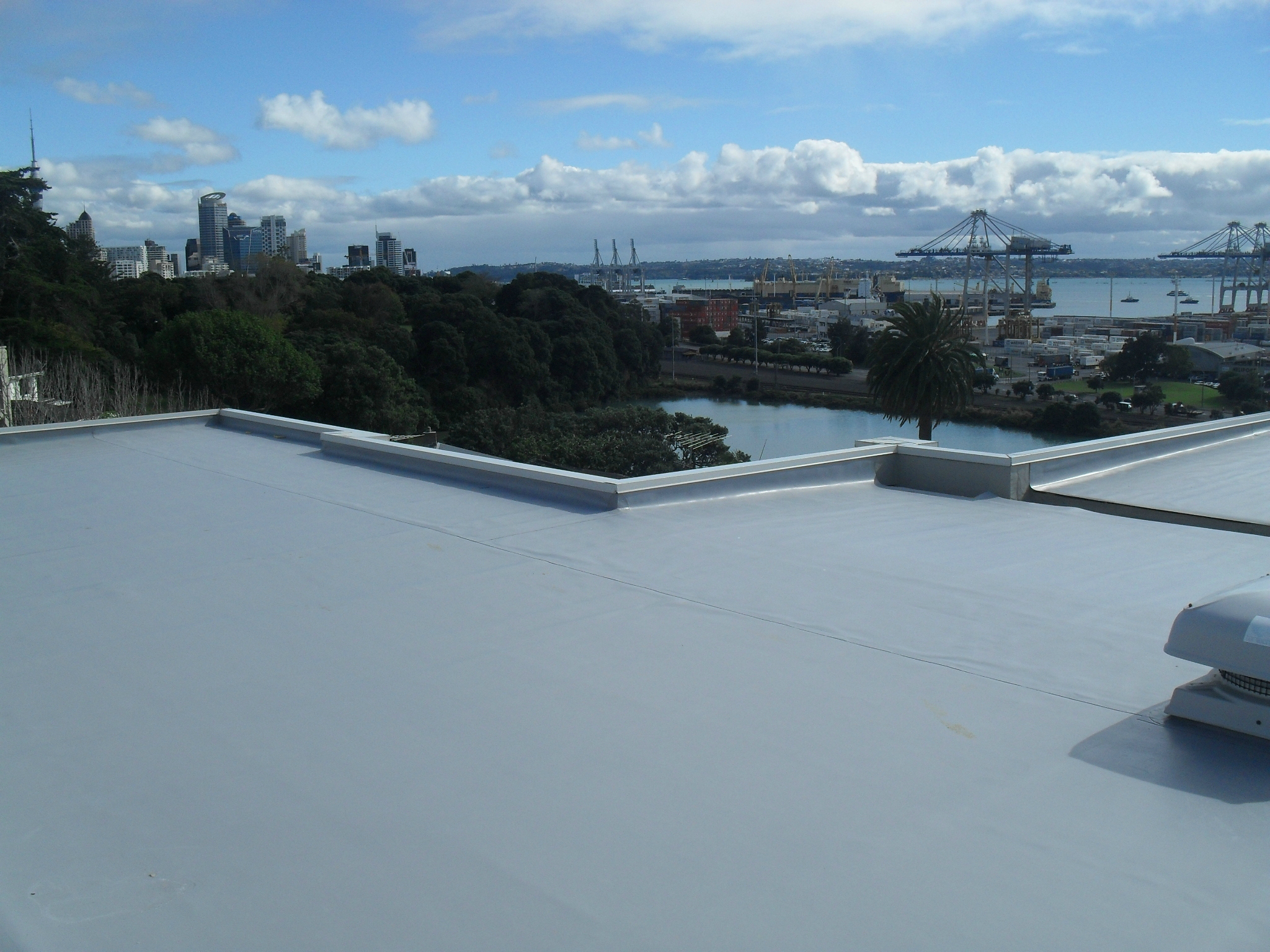
Storm season in Southwest Florida is a wind story more than anything else. Fort Myers and the surrounding Lee County commercial districts, the Colonial Boulevard retail belt, the Daniels Parkway and Gateway employment corridors, the Page Field and I-75 industrial zones, and the Cape Coral growth areas, carry mostly low-slope membrane roofs that take their worst punishment from sustained wind, wind-driven rain, and flying debris. Tropical systems and the summer storm pattern lift edges, peel laps, and drive water under flashings long before they ever tear a roof off outright. Repairing that damage and documenting it for an insurance claim are two different jobs, and the second one is where a roofing contractor who knows claim files earns the call.
We're your roofing contractor, not a public adjuster. We inspect the roof, document the condition, and produce a written damage assessment, we do not file the claim, negotiate with the carrier, or act as the owner's representative in the settlement. What we can do is give you and your adjuster an accurate record of the roof to work from, so the scope reflects the true extent of the storm damage.
How Storms Damage Commercial Roofs in Southwest Florida
Wind is the peril that defines this coast. Sustained gusts and the pressure swings inside a passing squall pull hardest at the roof's perimeter, where edge metal, coping, and the first course of membrane fastening meet the parapet. Once an edge lifts, wind gets underneath the field and the failure spreads inward from there. On mechanically attached TPO and PVC systems, that shows up as billowing, backed-out fasteners, and separated laps; on modified bitumen and built-up roofs, it shows as displaced surfacing, split flashings, and torn base sheet at penetrations. Wind-driven rain is the quiet second act, water forced sideways under a compromised lap or flashing saturates the insulation below the membrane and surfaces weeks later as interior staining far from the actual breach.
Debris impact from a neighboring roof, a rooftop unit, or landscaping adds punctures and bruising that are easy to miss from the ground. Hail does reach Southwest Florida on occasion, usually inside a strong summer thunderstorm, but it is a minor part of the picture here next to wind and water, and we note it only where the roof actually shows impact.
Documenting the Damage After a Storm
A repair estimate and a claim file are not the same document. A claim file starts with dated photographs organized by roof section, not a handful of wide shots from the parapet. We measure the affected areas, record the membrane type and approximate age, and take moisture readings where ponding or interior stains suggest wet insulation under the surface. On buildings with several roof sections, a common layout along Colonial Boulevard and through the Gateway corridor, we keep each section's findings separate so a partial loss does not get flattened into one vague number.
Edge metal, coping, and perimeter fastening get their own entries, because a carrier reviewing wind damage wants to know whether a lifted edge came from the storm or from years of salt-air corrosion off the Gulf. We separate storm-related damage from pre-existing wear in writing rather than leaving that call to guesswork.
Meeting the Adjuster on the Roof
When the carrier assigns an adjuster, we make ourselves available to walk the roof with them. We point to the documented findings, answer questions about the membrane system, the fastening pattern, and roof access, and make sure the areas flagged in our assessment get seen in person rather than read about in a report. Standing on the roof together tends to close the gaps a phone call leaves open.
We keep that conversation to what we can speak to as roofers: the physical condition of the roof, our documentation, and the trade's read on how the damage happened and how far it reaches. Coverage interpretation, policy language, and the settlement figure stay between the owner and the carrier.
Framing the Complete Repair Scope
Insurance estimates sometimes start from a generic roofing line item that misses what a specific building actually needs. We write the repair scope so it reflects everything the loss touches: tear-off and disposal where the membrane is beyond repair, insulation replacement where it tested wet, current Florida Building Code wind-uplift and attachment requirements a newer repair has to meet, matching membrane where a partial repair meets an aging field, and the wind-borne-debris or other code-driven upgrades a permit will require in coastal Lee County. A complete scope here means nothing legitimate gets left off the list, it is not a promise about what the carrier will ultimately approve or pay. That accuracy keeps the documented scope and the finished repair pointed at the same roof.
The best time to put this record together is before the next system forms, though a post-storm roof review works the same way: walk the building, document what the wind and water left behind, and hand the owner a scope that reads like field work. Commercial Roofing of Fort Myers can be reached at 239-441-3476 for storm damage repair and claim-related roof documentation across Lee County.
Storm Damage & Insurance Claim Roofing Questions
Do you file my insurance claim for me?
No. Filing the claim and dealing with the carrier are the owner's role, and we don't step into it. We inspect the roof, document the storm damage with photos and measurements, and produce a written assessment you and your adjuster can work from. We're a roofing contractor, not a public adjuster.
What storm damage is most common on Fort Myers commercial roofs?
Wind is the leading cause here, lifted edge metal, backed-out fasteners, separated membrane laps, and displaced flashings, often followed by wind-driven rain soaking the insulation below. Debris impact and, less often, hail from a strong summer storm round it out. We document whichever failure modes the roof actually shows.
How soon can you respond after a storm?
We prioritize post-storm calls across Lee County. Emergency dry-in and temporary protection can usually be deployed quickly to stop active water entry, and a full written damage assessment for claim documentation follows once the roof is safe to survey in detail.
Will you meet my adjuster at the property?
Yes. When the carrier schedules an inspection, we walk the roof with the adjuster, show the documented findings in person, and answer questions about the roof system and the damage. We keep to the physical facts of the roof and leave coverage and settlement terms to the owner and the carrier.
What if the approved scope leaves out damage we documented?
We compare the approved scope against our own field documentation. If storm-related damage or a required code upgrade was left out, we can provide supplemental photos, measurements, and notes for the owner to submit through their own channels. We don't dispute the carrier's decision or guarantee a different result, we make sure the record reflects the roof.