Coordination, in a roofing context, means the inspection, the documentation, and the scope all move at the pace and format the claim needs, not that we run the claim ourselves. A property manager or owner juggling a carrier, an adjuster, tenants, and a repair timeline benefits from a roofing contractor who keeps that side of the process organized and predictable, so nothing about the roof itself becomes the bottleneck.
We're your roofing contractor, not a public adjuster. We inspect, document, and produce a damage assessment so the owner and their adjuster can work from an accurate scope, we don't file the claim, negotiate the settlement, or represent the owner to the carrier.
What Coordination Looks Like in Practice
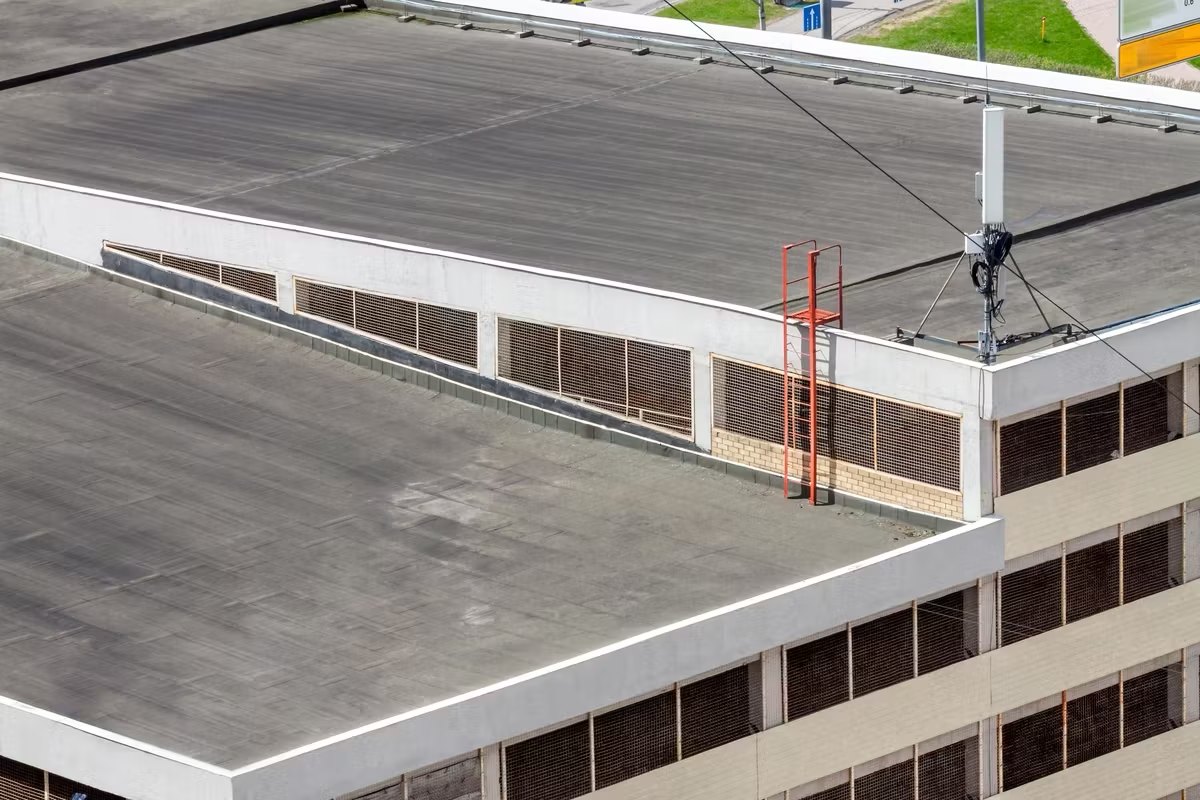
It starts with a roof walk timed to the claim's stage, sometimes before the carrier is even notified, sometimes after an adjuster has already been assigned. We photograph and measure by roof section, note the membrane system and its condition, and check moisture readings where interior signs point to wet insulation. That file gets organized so it reads cleanly whether the owner is sharing it with an adjuster, a lender, or their own risk manager.
Multi-tenant and multi-section properties, common along the retail strips near Colonial Boulevard and the office parks off Gateway, get documented section by section, so a loss confined to one part of the roof doesn't get diluted into a single vague estimate covering the whole building. On a strip center with several roof drops, that separation also keeps individual tenant leaks tied to the section that actually caused them, which matters when responsibility and repair funding get sorted between ownership and multiple carriers.
Timing matters as much as content. A file assembled the week of the storm, while membrane displacement and interior staining are still fresh and unambiguous, tends to hold up better than one reconstructed weeks later from memory and a handful of phone photos. We keep dated records specifically so the sequence of events, storm, damage, discovery, inspection, is never in question.
The Adjuster Meeting
When it helps the file, we walk the roof with the assigned adjuster. We point to what we documented, explain the roof system, and answer field questions about access, attachment, and condition. That conversation stays on the physical roof; coverage interpretation and settlement terms are between the owner and their carrier or agent.
Some adjusters are comfortable with commercial low-slope systems and some are not, and the meeting goes faster either way when the documentation does most of the talking. A clearly labeled photo set by roof section, cross-referenced to a written summary, cuts down on repeat site visits and back-and-forth requests for additional information.
Writing the Full Scope
The scope we write accounts for tear-off and disposal, insulation replacement where testing shows it's wet, current Florida Building Code wind-uplift and attachment requirements, and any permit-driven upgrades the work will trigger. The goal is a scope that reflects everything the roof legitimately needs, not a maximized number, an accurate one.
After Approval
Once the owner and carrier settle on a scope, the same documentation habits carry through the repair or replacement work itself, photos, notes, and a closeout record the owner can keep for warranty conversations, future capital planning, or a future claim on the same roof.
That closeout file matters more than it might seem at the time. A property that changes ownership, refinances, or files a second claim years later benefits from a paper trail that shows what was repaired, when, and to what standard. We keep that record in a format that travels with the building itself rather than staying tied to the single transaction it was written for.
Coordinating Around an Occupied Building
Most of the properties we document are still open for business while the claim moves forward. That changes how we schedule the roof walk and any follow-up work: around tenant hours, loading dock activity, and rooftop equipment that can't be shut down without notice. Coordination, in that sense, also means keeping the claim process from disrupting the building any more than the original storm damage already did.
Commercial Roofing of Fort Myers can be reached at 239-441-3476 to start a claim-coordinated roof inspection.
Fort Myers Insurance Claim Coordination Questions
What does insurance claim coordination mean for a roofing contractor?
It means aligning our inspection, documentation, and scope with the pace and format the insurance process needs, without stepping into filing or negotiating the claim ourselves.
Do you attend the adjuster meeting?
When it's useful, yes. We walk the roof, point to documented findings, and answer questions about the roof system, staying focused on physical condition rather than coverage terms.
How is this different from a public adjuster?
A public adjuster negotiates the claim on the owner's behalf. We're the roofing contractor who documents the roof and produces the technical file the claim depends on; coverage and settlement decisions stay with the owner and their carrier.
What happens after the scope is approved?
We schedule the repair or replacement to the approved scope and keep the same documentation practice through completion for a clean closeout record.
Can multi-section roofs be coordinated the same way?
Yes. Each section gets documented separately so a partial loss doesn't get lost inside one combined estimate for the whole building.